Outdoor maintenance tasks often involve a combination of physical work, environmental exposure, and the use of tools or machinery. Whether you are trimming hedges, cleaning gutters, operating equipment, or carrying out general property upkeep, understanding the risks involved is essential. Taking time to plan your work and follow safe practices can significantly reduce the chance of injury.
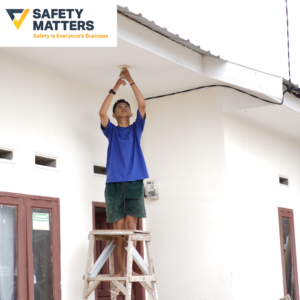
Identify Hazards Before You Begin…
Before starting any outdoor maintenance task, carry out a quick risk assessment of the area. Look for uneven ground, slippery surfaces, overhead hazards, or hidden obstacles. Consider environmental factors such as weather conditions, visibility, and temperature.
Common outdoor hazards include:
- Uneven or unstable ground
- Wet or slippery surfaces
- Overhead power lines
- Falling debris or loose branches
- Manual handling risks
- Moving vehicles or machinery
By identifying these risks in advance, you can take practical steps to control them.
Use the Right Equipment for the Task…
Selecting the correct tools and equipment is crucial for safe and efficient work. Always ensure equipment is suitable for the job and in good working condition. Damaged or poorly maintained equipment increases the likelihood of accidents.
Before use:
- Inspect tools for cracks, loose handles, or worn parts
- Ensure guards and safety features are in place
- Check fuel-powered equipment for leaks
- Confirm electrical tools are suitable for outdoor use
- Wear appropriate Personal Protective Equipment (PPE)
Typical PPE for outdoor maintenance may include gloves, safety boots, eye protection, high-visibility clothing, and hearing protection where required.
Practice Safe Manual Handling…
Outdoor maintenance often involves lifting, carrying, or moving heavy objects such as equipment, materials, or debris. Poor lifting techniques can lead to strains and long-term injuries.
Remember to:
- Plan the lift before you begin
- Keep the load close to your body
- Bend your knees, not your back
- Avoid twisting while lifting
- Ask for assistance with heavy or awkward loads
Using mechanical aids such as wheelbarrows or trolleys can greatly reduce strain.
Be Aware of Weather Conditions…
Weather can significantly affect safety during outdoor tasks. Rain, frost, and strong winds increase the risk of slips, trips, and falls. Hot weather may lead to dehydration or heat exhaustion, while cold conditions can reduce dexterity and grip strength.
In adverse weather:
- Postpone non-essential tasks if conditions are unsafe
- Wear appropriate clothing for temperature and visibility
- Stay hydrated and take regular breaks
- Secure materials and equipment against wind
Never underestimate how quickly weather conditions can change.
Work Safely Around Machinery and Vehicles…
When operating machinery such as strimmers, hedge cutters, or ride-on mowers, always follow manufacturer instructions and safe operating procedures. Keep bystanders at a safe distance and remain alert to your surroundings.
If working near vehicles:
- Establish clear pedestrian walkways
- Use high-visibility clothing
- Maintain clear communication with operators
- Never assume a driver can see you
Awareness and communication are key to preventing incidents.
Proper training plays a vital role in maintaining safe standards during outdoor work. For further information on our Outdoor Maintenance Safety Training Course, please see details at:
https://safetymatters.ie/course-details/outdoor-maintenance-safety-training/
Investing in safety awareness and practical training helps ensure that outdoor maintenance tasks are completed efficiently, responsibly, and most importantly — safely.