Health and safety training is not a one-time event—it’s a continuous process. Regular training helps ensure that every worker, regardless of experience, remains aware of evolving risks, safety procedures, and their responsibilities.
This toolbox talk outlines the importance of ongoing health and safety education in protecting staff, staying compliant with regulations, and fostering a culture of safety across all industries.
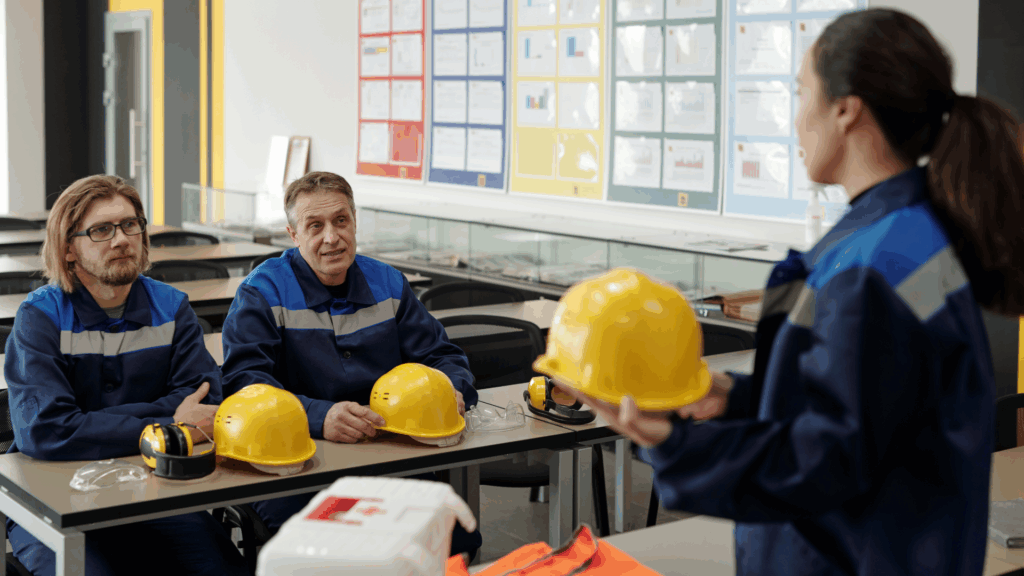
Why Regular Training Matters
Ongoing health and safety training provides numerous benefits, including:
1. Preventing Accidents
Regular training ensures that employees understand the correct procedures and reduces the risk of injuries caused by oversight or complacency.
2. Reinforcing Good Habits
Safety becomes second nature when expectations are repeated, practiced, and applied over time.
3. Improving Performance and Confidence
Trained staff are more confident and capable, which leads to better decision-making and fewer mistakes.
4. Fulfilling Legal Obligations
Irish and EU regulations require employers to provide health and safety information, instruction, and training. Routine training helps meet these requirements.
5. Adapting to Change
New technologies, equipment, and processes introduce new hazards. Training ensures workers are prepared for these changes.
Core Components of Ongoing Training
Effective health and safety training includes:
-
Induction Training for all new employees
-
Refresher Courses conducted annually or after incidents
-
Task-Specific Training for machinery use, chemical handling, etc.
-
Emergency Response Training such as fire drills and first aid
-
Toolbox Talks offering brief, focused safety discussions
-
Online Learning Modules for flexibility and accessibility
Training should be practical, relevant, and reinforced regularly.
Risks of Infrequent Training
Failing to provide regular training can lead to:
-
Increased workplace injuries due to forgotten or outdated procedures
-
Inconsistent safety practices among teams
-
Reduced employee confidence and performance
-
Potential legal penalties for non-compliance
-
A culture where unsafe practices go unchallenged
How to Make Training Effective
To keep training engaging and impactful:
-
Use real-life scenarios, demonstrations, and interactive methods
-
Encourage participation and feedback
-
Adapt content to specific roles and workplace needs
-
Vary the format: mix classroom sessions, hands-on practice, and online modules
-
Schedule training during work hours to improve attendance and focus
Staff Responsibilities
All employees have a role in maintaining a safe workplace. They should:
-
Speak up when unclear about a procedure or when spotting unsafe conditions
-
Apply learned procedures consistently on the job
-
Support less experienced colleagues by sharing knowledge
-
Suggest topics for future training based on job observations
-
Stay engaged and committed to safety protocols
The Role of Managers and Supervisors
Supervisors and leaders are key to promoting a culture of continuous safety improvement. They should:
-
Encourage and enforce attendance at training sessions
-
Maintain accurate training records
-
Identify and address knowledge gaps through observations and reports
-
Recognise staff who contribute to a safer workplace
-
Keep training fresh by rotating topics and updating materials
Common Challenges and Solutions
| Challenge | Recommended Approach |
|---|---|
| I’ve done this for years | Emphasise updates, changes in standards, and new risks |
| Lack of time | Schedule short, frequent sessions during normal shifts |
| Training is repetitive or dull | Use videos, scenarios, and role-specific examples |
| One-size-fits-all sessions | Tailor content to job roles and experience levels |
Conclusion
Regular health and safety training is an investment in your team’s well-being and your organisation’s success. It improves safety outcomes, boosts morale, and ensures legal compliance. More importantly, it helps create a workplace where every employee feels prepared and protected.
Key Takeaways
-
Continuous training prevents accidents and keeps skills fresh
-
Refresher training is essential, even for experienced staff
-
Safety training should evolve with the workplace
-
Supervisors must lead by example and track training participation
-
Everyone has a role in maintaining a safe, informed workplace
Final Reminder:
Health and safety training isn’t about ticking a box—it’s about saving lives and making sure everyone goes home safe at the end of each day. Stay sharp, stay involved, and always make safety a priority.
Train regularly. Work safely. Go home healthy.