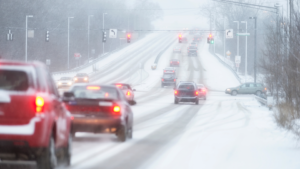
Severe weather events are becoming more frequent and unpredictable. Preparing your business in advance is not a one-off task — it is an ongoing process that plays a vital role in protecting employees, customers, suppliers, and business continuity.
Why Severe Weather Preparation Matters
Effective preparation allows businesses to respond calmly and decisively when severe weather occurs. By identifying potential risks in advance, organisations can put suitable controls in place to protect staff and visitors, minimise damage to buildings and equipment, and maintain essential services. Planning also supports compliance with health and safety legislation in Ireland, which requires employers to manage foreseeable risks, including those arising from extreme weather conditions.
Preparedness improves communication and decision-making during challenging situations. When roles and responsibilities are clearly defined and staff know what to expect, businesses are far better placed to manage disruption and recover quickly.
Core Areas to Consider When Preparing
Effective severe weather planning should address the following key areas:
Impact on the Place of Business
Preparation should include an assessment of how severe weather may affect the workplace:
-
Consider whether the location or access routes are at risk of flooding
-
Identify access points such as sloped roads that may become hazardous due to ice or snow
-
Ensure water pipes are properly insulated, including those in and around vacant buildings
-
Maintain up-to-date contact details for key services and local authorities
-
Review insurance cover and consult insurance advisers where concerns arise
Useful flood-related information is available at www.flooding.ie.
Impact on Employees
Employee safety and availability are central to severe weather planning. Adverse conditions may prevent some employees from travelling to work, while those who do attend may face additional risks. Employers should consider what measures are necessary to allow staff to work safely and whether alternative arrangements, such as remote working or flexible hours, could reduce disruption.
Up-to-date employee contact details and a clear communications plan are essential. Management responsibility for planning and decision-making should be clearly assigned, and business-critical roles should be identified so that continuity can be maintained where possible. Guidance on health and safety at work is available from the Health and Safety Authority at www.hsa.ie.
Impact on Customers
Severe weather can also affect customers’ ability to access services safely. Businesses should consider how reduced footfall, restricted access, or hazardous conditions might impact customer safety and experience. Where possible, alternative methods of serving customers, such as online services or deliveries, can help reduce disruption.
Public areas, entrances, and surrounding pavements may require additional attention during snow or icy conditions. Having suitable equipment available in advance and clear procedures for maintaining safe access can help prevent accidents and reassure customers. Clear communication is equally important so that customers are informed of any changes to services or opening hours.
Impact on Suppliers
Disruption to suppliers can quickly affect business operations, particularly where deliveries are time-sensitive. Businesses should review stock levels, identify critical supplies, and engage with key suppliers to understand their level of preparedness. Considering alternative transport routes or logistics arrangements in advance can help reduce delays.
Supplier safety should also be considered, especially where deliveries involve access to less frequently used or more exposed areas of the premises during severe weather.
Risks of Poor Preparation
Failing to prepare adequately for severe weather can lead to:
-
Increased risk of injury to employees, customers, and contractors
-
Significant disruption to business operations
-
Damage to property and equipment
-
Loss of income and customer confidence
-
Increased insurance claims and potential compliance issues
Roles and Responsibilities
Everyone in the workplace has a part to play in managing severe weather risks. Employees should follow safety instructions, report hazards promptly, and communicate any difficulties attending work safely. Managers and supervisors must ensure plans are in place, responsibilities are clear, and communication is timely and accurate. Ongoing monitoring of weather warnings and early action can make a significant difference to outcomes.
Common Challenges and Solutions
| Challenge | Recommended Approach |
|---|---|
| Severe weather is unpredictable | Plan for a range of scenarios and review plans regularly |
| Staff availability issues | Introduce flexible work arrangements and clear communication |
| Supply chain disruption | Identify alternative suppliers and maintain critical stock |
| Customer access risks | Prepare access routes and communicate service changes |
| Lack of ownership | Assign clear management responsibility for preparedness |
Key Takeaways
-
Severe weather planning is an ongoing process
-
Preparation protects people, property, and business continuity
-
Clear communication and assigned responsibilities are essential
-
Flexibility in work practices helps minimise disruption
-
Regular review ensures plans remain effective and relevant
Severe weather preparedness is not just about reacting to an event — it is about planning ahead to keep people safe and businesses operating. Stay informed, stay prepared, and take action early.
Plan ahead. Stay safe. Keep your business moving.